
장단점
- Fast live ship tracking map plus a detailed vessel database
- Useful port monitoring and alerts for ships and port events
- Key features like longer history sit behind subscriptions
- Update cadence varies, especially offshore using satellite AIS
상세 리뷰
A live ship map for work and curiosity
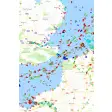
MarineTraffic is a ship tracking and maritime intelligence service that displays vessels on a live map using Automatic Identification System (AIS) signals collected from coastal receivers and satellite sources. It helps you see where ships are headed, how fast they move, and what they report as destination and ETA, all from a desktop browser.
The platform pairs a detailed vessel database with port monitoring pages that list arrivals and departures, plus a community photo gallery. Alerts let you follow ships or port events, which works well for logistics checks and hobby tracking alike. A free tier covers the basics, while history, richer satellite AIS coverage, and deeper data sit behind subscriptions.
Tracking ships without the spy-movie vibes
MarineTraffic’s live map updates quickly near coasts where terrestrial AIS stations pick up signals. Offshore positions rely on satellite AIS, so refresh rates vary and gaps appear in busy regions. Filters help narrow traffic by ship type or area. The vessel pages add specs like flag, build year, and dimensions for quick identification, including tonnage and contributor photos when available.
Port pages show arrivals, departures, and anchorage activity, which helps gauge congestion at a glance. You can set alerts for a ship’s arrival, departure, or location change, useful for operations and for tracking family at sea. Playback and longer history add context for incidents, yet these tools often require a paid plan. That paywall is the trade-off for casual users.
On Windows, MarineTraffic runs best in a modern browser, so setup stays simple and no special hardware is required. The photo community adds visual confirmation that complements technical AIS data. Kpler ownership ties the brand into broader maritime analytics, yet the public experience still centers on tracking and lookup rather than deep commodity research. Subscriptions unlock extras, but basics stay.
When MarineTraffic fits best
MarineTraffic suits anyone who wants a clear view of global shipping without installing heavy software. The live map, vessel pages, port lists, and alerts cover most everyday questions fast, especially near coastal AIS coverage. Users who depend on long-range satellite AIS updates or deep history run into slower refresh and subscription limits. For professionals it works as a handy reference layer, while enthusiasts get a reliable way to follow routes and collect ship photos from ferries to tankers across sea lanes.